
Sampling, inspection, approval, re-verification.
Five services that run as one chain. Each can be bought separately, but they are built to work together: one inspector, one specification, one continuous record from the first core sample to the container seal.
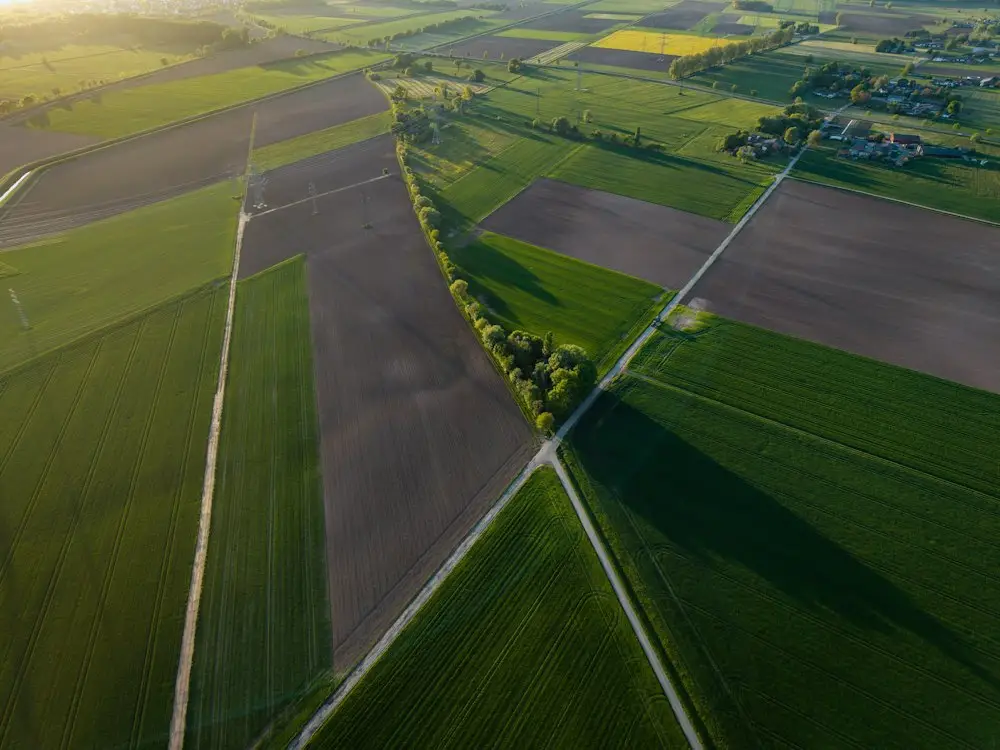 01 · Before shipment
Inspection chain setup
Before the first bale moves, we turn your specification into a written inspection plan: parameters, tolerances, sampling frequency, hold points and reporting format.
- Specification formalised in writing before loading begins
- Tolerances and pass/fail limits agreed per parameter
- Sampling frequency and lot definition fixed for the season
- Hold points defined: what stops a container being sealed
- Named buyer contact for final approval recorded on the file
Checklist (5)
- Specification formalised in writing before loading begins
- Tolerances and pass/fail limits agreed per parameter
- Sampling frequency and lot definition fixed for the season
- Hold points defined: what stops a container being sealed
- Named buyer contact for final approval recorded on the file
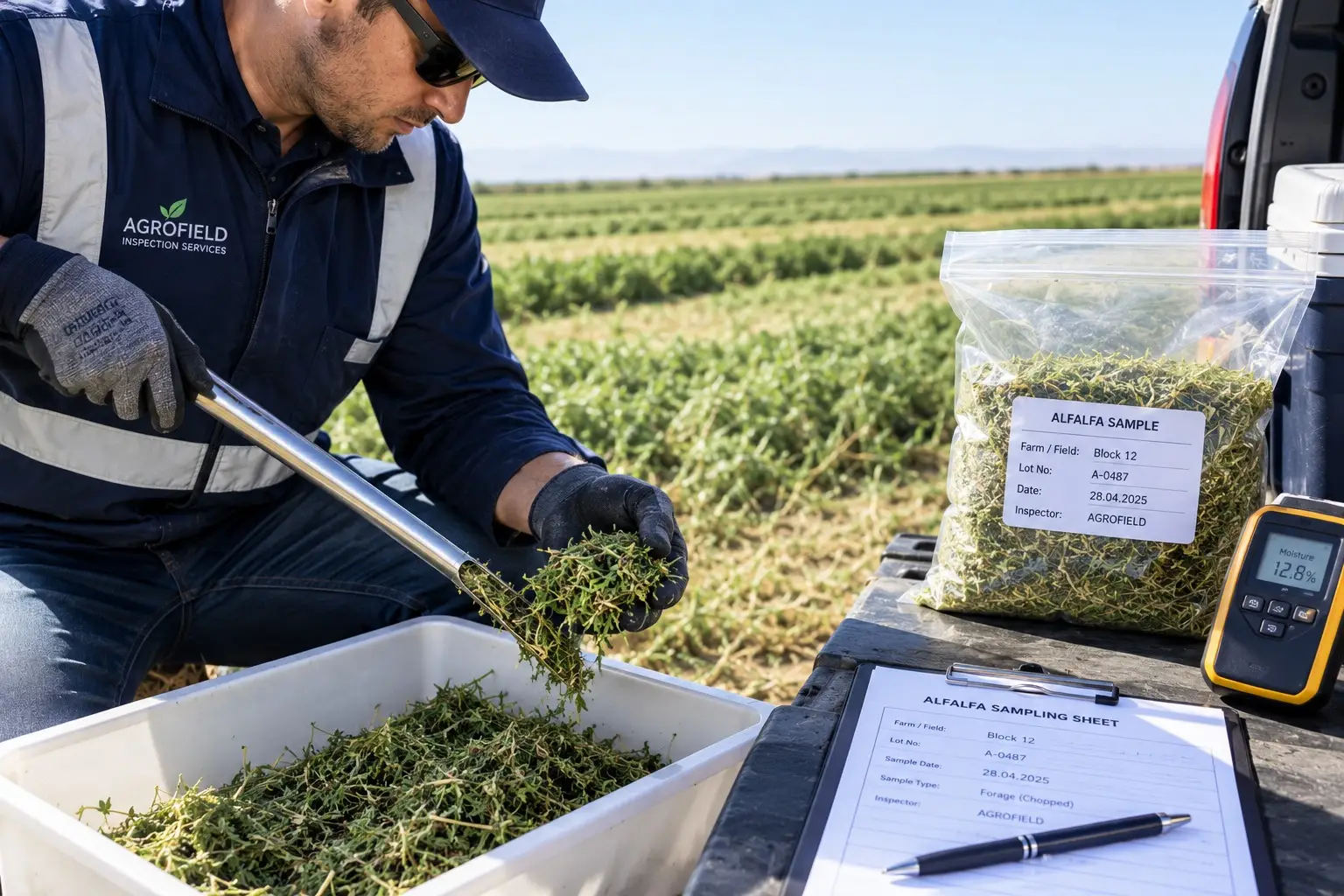 02 · At origin
USDA-standard sampling
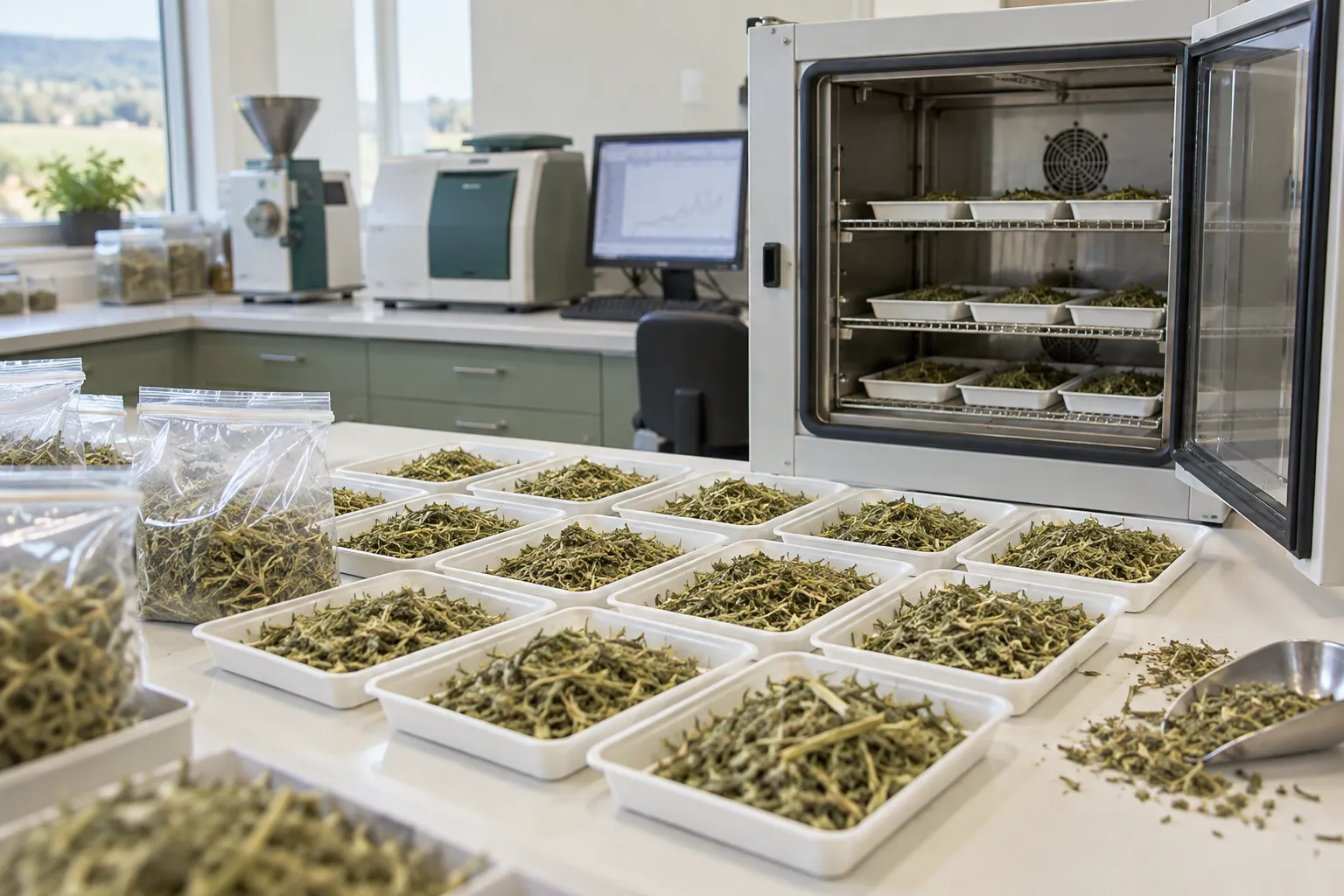
Trained inspectors draw core samples from each lot using a calibrated forage probe. Sealing and sampling frequency follow USDA Hay Market News and forage protocols, and composite samples are sent to an accredited partner laboratory.
- Core samples taken with a calibrated forage probe
- Sampling frequency and sealing per USDA protocols
- Composite samples dispatched to an accredited partner lab
- Sample identity and chain of custody recorded per lot
- Photographic record of sampling, bales and lot marking
Checklist (5)
- Core samples taken with a calibrated forage probe
- Sampling frequency and sealing per USDA protocols
- Composite samples dispatched to an accredited partner lab
- Sample identity and chain of custody recorded per lot
- Photographic record of sampling, bales and lot marking
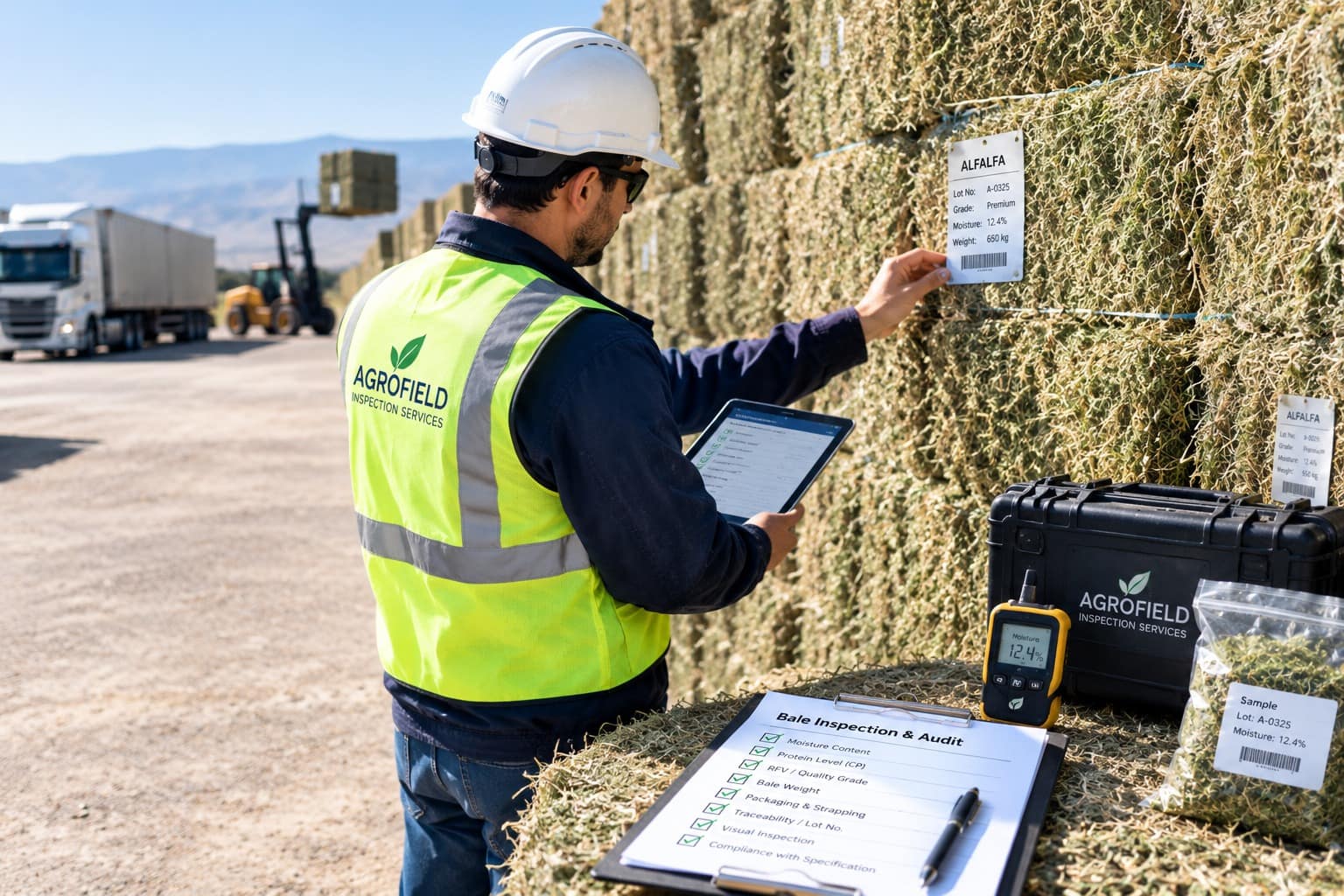 03 · At origin
Batch inspection against your specification
Visual and physical inspection of the lot (colour, leaf-to-stem ratio, moisture, weeds, mould, odour, density, bale dimensions) measured against the agreed specification. Non-conforming bales are flagged and separated, not averaged into a pass.
- Colour and leaf-to-stem ratio assessed against your grade
- Moisture checked at bale level, not lot level
- Weeds, mould, dust and odour recorded with photographs
- Bale weight, dimensions and packaging verified
- Non-conforming bales flagged, separated and counted
Checklist (5)
- Colour and leaf-to-stem ratio assessed against your grade
- Moisture checked at bale level, not lot level
- Weeds, mould, dust and odour recorded with photographs
- Bale weight, dimensions and packaging verified
- Non-conforming bales flagged, separated and counted
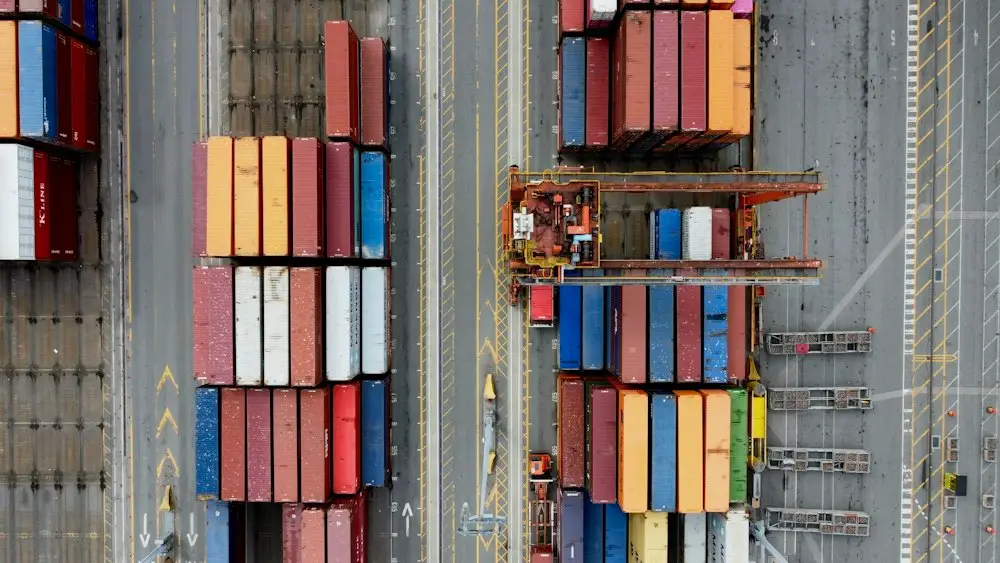 04 · At loading
Pre-loading audit and re-verification
At the loading point we re-verify the batch against the approval certificate. Bale count, weight tickets, container condition, stuffing pattern and seal number are all recorded. This is the checkpoint that catches a swapped or diluted lot.
- Bale count reconciled against the approved lot
- Weighbridge tickets collected and checked
- Container identity and condition recorded before stuffing
- Stuffing pattern photographed through completion
- Seal number recorded and photographed at closure
Checklist (5)
- Bale count reconciled against the approved lot
- Weighbridge tickets collected and checked
- Container identity and condition recorded before stuffing
- Stuffing pattern photographed through completion
- Seal number recorded and photographed at closure
If it fails at loading The container is not sealed and the batch is held. The buyer is notified the same day with the evidence, and the decision to re-work, re-grade or reject is theirs.
If it fails at loading The container is not sealed and the batch is held. The buyer is notified the same day with the evidence, and the decision to re-work, re-grade or reject is theirs.
 05 · Throughout
Remote reporting and documentation
Photographs, short videos, laboratory PDFs and digital inspection reports are sent throughout the chain, by WhatsApp or email. The buyer receives a complete record before the vessel sails.
- Live daily updates from sampling to vessel loading
- Laboratory analysis issued as a PDF, per lot
- Timestamped photo and video pack covering every stage
- One signed dossier per shipment for finance, QC and logistics
Checklist (4)
- Live daily updates from sampling to vessel loading
- Laboratory analysis issued as a PDF, per lot
- Timestamped photo and video pack covering every stage
- One signed dossier per shipment for finance, QC and logistics
We are the witness, never the party.
For buyers
The eyes, the lab and the gatekeeper at origin. Nothing is released for stuffing without a signed certificate.
For sellers
The proof of what you shipped. A dated, attributed certificate settles disputes that a producer's own photographs cannot.
For both sides
We do not buy, sell, broker, transport or store hay. A rejection is a measurement, not a negotiation.
Tell us your specification.
We will turn it into a written inspection plan before the first bale moves.
Response within one working day.